
Investing in Potable Water is Investing in the Future
Each day, millions of Filipino public elementary school students enter the classrooms with the hope of learning, growing, and building a better future. Yet for many students, something as basic as access to clean drinking water remains a challenge. While books, teachers, and classrooms are often viewed as the foundations of education, clean drinking water is equally essential. A child who is sick, dehydrated, or distracted by thirst cannot learn effectively.
At such, providing safe drinking water in public elementary schools is not merely a matter of convenience, it is a matter of health, education, dignity, and national development.
Water is fundamental to life itself. The human body is composed of approximately 60 to 70 percent water, and every major bodily function depends on it. Water regulates body temperature, transports nutrients, aids digestion, removes waste, lubricates joints, and supports brain function. For children whose bodies and minds are still developing, adequate hydration is even more critical. Without access to safe drinking water, students become vulnerable not only to illness but also to fatigue, poor concentration, and reduced physical and mental performance. In many ways, the quality of water available to a child can directly influence the quality of education that child receives.
The Legal Foundation for Safe Drinking Water in Schools
The Philippine government recognizes the importance of providing safe water and sanitation to children.
Article II, Section 15 of the 1987 Philippine Constitution declares that the State shall protect and promote the right to health of the people. Likewise, Article XIV mandates the State to provide quality education for all citizens.
To support these constitutional mandates, the Department of Education (DEPED) issued DEPED Order No. 10, Series of 2016, establishing the Comprehensive Water, Sanitation and Hygiene in Schools (WinS) Program. The policy aims to ensure that schools provide safe water, adequate sanitation facilities, and proper hygiene education to keep learners healthy and safe.
This is in conjunction to DEPED Order No. 56, Series of 2009, requiring schools to ensure the availability of water and handwashing facilities to prevent the spread of infectious diseases.
Similarly, DEPED Order No. 65, Series of 2009 emphasized that education and health are closely linked and noted that diarrhea, infectious diseases, and worm infestations among school children are often associated with inadequate water and sanitation facilities.
These policies reflect a simple but important reality: quality education cannot be achieved if students are unhealthy. Access to safe drinking water is therefore not merely a school facility requirement, it is an educational necessity.
The Reality in Many Philippine Public Elementary Schools
Despite these policies, many schools continue to face water and sanitation challenges.
According to UNICEF Philippines, only about 45 percent of school-aged children in the country have access to an improved water source with a regular water supply in schools, while approximately 26 percent rely on unimproved water sources or have no access to water in school at all.
These statistics underscore a persistent challenge in numerous communities, particularly in geographically isolated and underprivileged regions. While significant progress has been made in expanding educational access, the availability of safe drinking water remains uneven. Consequently, many children continue to encounter preventable health risks daily simply because they lack reliable access to clean water while attending school.
Unsafe Drinking Water and Disease
Unsafe drinking water is a major contributor to disease among children.
The World Health Organization identifies unsafe drinking water, inadequate sanitation, and poor hygiene as significant causes of diarrheal diseases, respiratory infections, intestinal worm infestations, and undernutrition. These conditions collectively contribute to a substantial global disease burden.
In the Philippines, the Department of Education (DepEd) has recognized diarrhea and worm infestations as among the most prevalent hygiene-related diseases affecting schoolchildren. These illnesses are associated with inadequate water supply and poor sanitation facilities.
DepEd’s WinS program further notes that approximately 44.7 percent of school-age children in the country have soil-transmitted helminth infections, conditions often linked to poor sanitation and a lack of access to safe water.
UNICEF likewise emphasizes that contaminated water and poor sanitation expose children to diseases such as diarrhea, cholera, dysentery, typhoid, and hepatitis A.
For children, the effects of these diseases can be particularly severe. Repeated bouts of diarrhea can lead to dehydration and nutrient loss, while intestinal worm infections can impair growth, reduce energy levels, and affect cognitive development. What may initially appear as a simple lack of access to safe drinking water can eventually become a significant impediment to a child’s physical and intellectual development.
How Unsafe Water Affects Learning
The impact of unsafe drinking water extends far beyond physical illness.
A child suffering from diarrhea, stomach pain, dehydration, or intestinal worms often struggles to concentrate in class. Frequent illness leads to absenteeism, causing students to miss valuable learning opportunities. Repeated absences can eventually result in poor academic performance and an increased risk of dropping out.
Even mild dehydration can affect a student’s ability to think clearly. Because the brain is composed of nearly 75 percent water, maintaining proper hydration is essential for memory, concentration, attention span, and problem-solving skills. A thirsty child may appear inattentive or tired, not because of a lack of ability, but because the body is not receiving the water it needs to function properly.
The DepEd WinS program recognizes that inadequate water and sanitation contribute to anemia, stunted growth, and higher rates of absenteeism, all of which hinder a child’s ability to learn and remain in school.
Research cited by UNICEF also shows that access to drinking water in schools helps reduce dehydration, which is associated with improved cognitive function and learning performance.
Simply put, healthy students learn better. A school that provides safe drinking water is not only protecting health, it is creating an environment where learning can thrive.
The Impact on Overall Well-Being
Clean drinking water supports every aspect of a child’s development as follows:
- Physical Health
Safe water prevents waterborne diseases and helps children maintain proper hydration, digestion, circulation, and immune function. Healthy children are more energetic, active, and capable of participating fully in school activities. When students are healthy, they are more likely to attend classes regularly and achieve better educational outcomes.
- Mental and Cognitive Development
The brain depends on adequate hydration to function properly. Even mild dehydration can affect attention, memory, mood, and problem-solving abilities. Access to safe drinking water helps students remain alert, focused, and engaged throughout the school day, allowing them to maximize their learning potential.
- Nutrition and Growth
Unsafe water contributes to diarrhea and intestinal infections, reducing the body’s ability to absorb nutrients. This can lead to malnutrition, poor growth, weakened resistance to disease, and delayed physical development. Clean drinking water supports healthy digestion and enables children to benefit fully from the food they consume.
- Emotional Well-Being and Confidence
Children deserve a learning environment where they can drink water safely without fear of illness. Access to clean water promotes dignity, confidence, and a sense of security. It reduces anxiety among students and parents and contributes to a healthier, more positive school environment.
- Long-Term Health and Productivity
The benefits of clean drinking water extend beyond the classroom. Healthy children are more likely to become healthy, productive adults. By protecting children from preventable diseases today, we help build a stronger workforce and a more resilient nation tomorrow.
A Shared Responsibility
Ensuring access to clean drinking water in public elementary schools cannot rest on the shoulders of government alone. While national agencies and local government units play a vital role, the challenge requires a collective response from water districts, private corporations, civic organizations, non-government organizations, foundations, community groups, and concerned individuals.
Providing safe drinking water is one of the simplest yet most impactful investments that can be made in a child’s future. Programs that support potable water systems, water filtration facilities, water quality testing, hygiene education, and maintenance assistance can dramatically improve the health, well-being, and educational outcomes of students, particularly those in underserved and geographically isolated communities.
For corporations seeking meaningful Corporate Social Responsibility (CSR) initiatives, for civic organizations looking to create lasting community impact, and for individuals who wish to make a difference, investing in clean drinking water offers a sustainable solution with immediate and measurable benefits. A single commercial water filtration system can serve hundreds, even thousands, of students over many years. It can reduce waterborne illnesses, improve attendance, enhance learning performance, and provide children with the dignity of having access to safe and reliable drinking water every day.
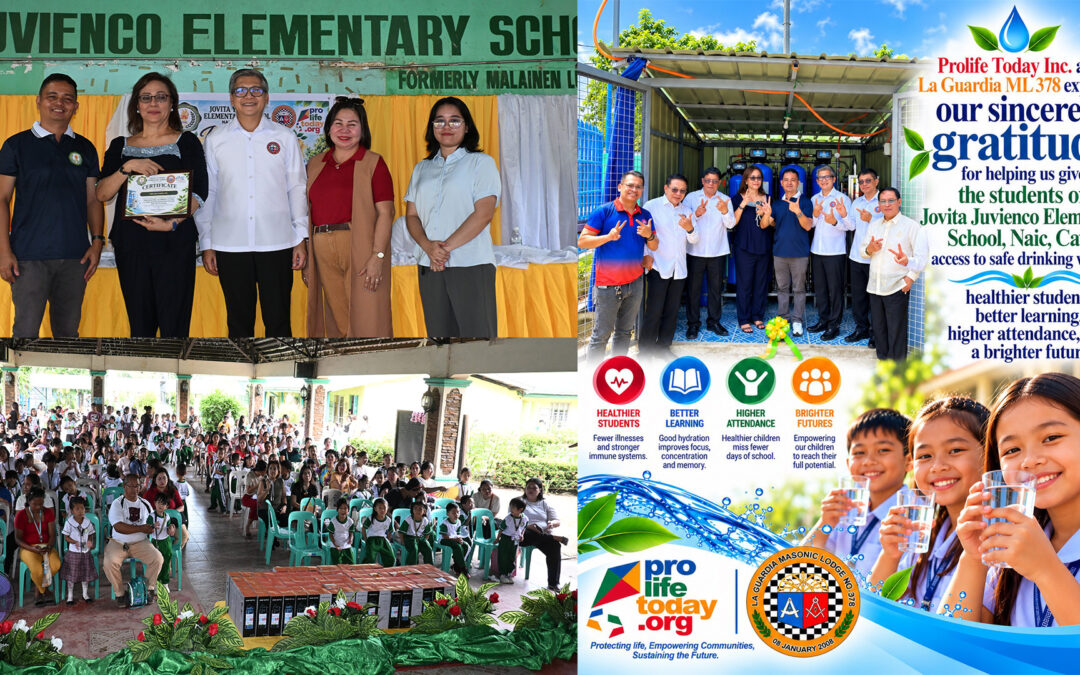
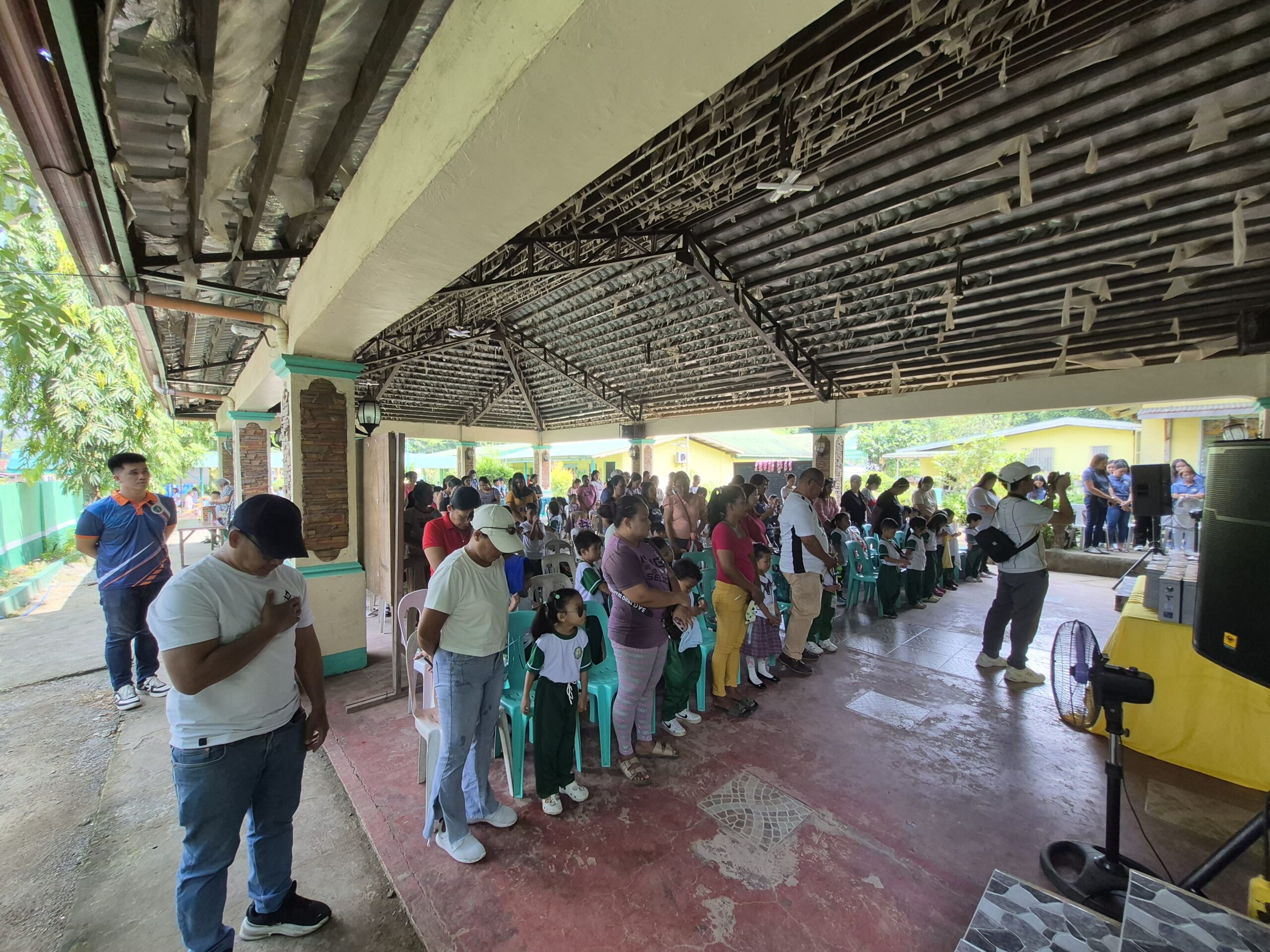
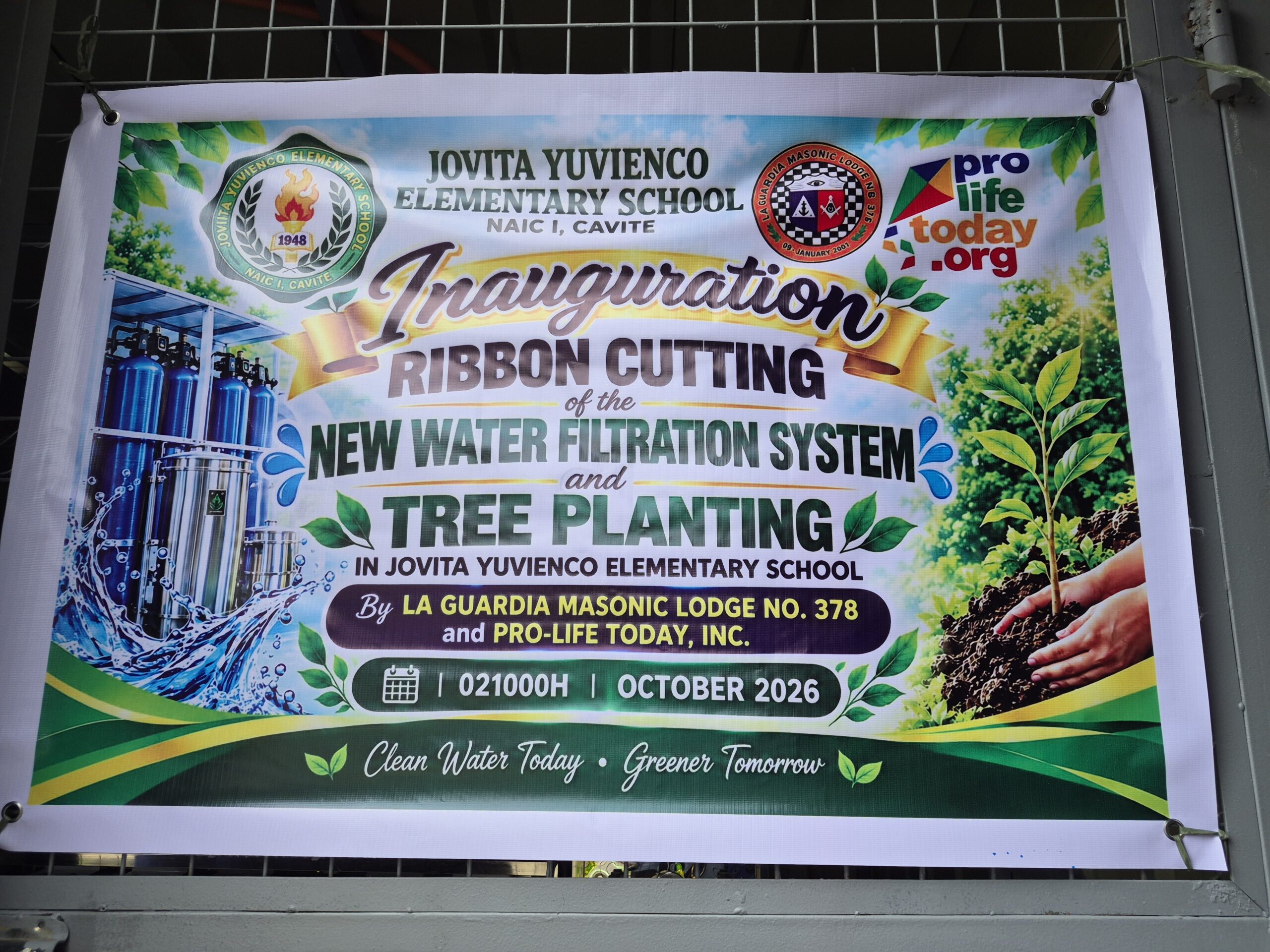
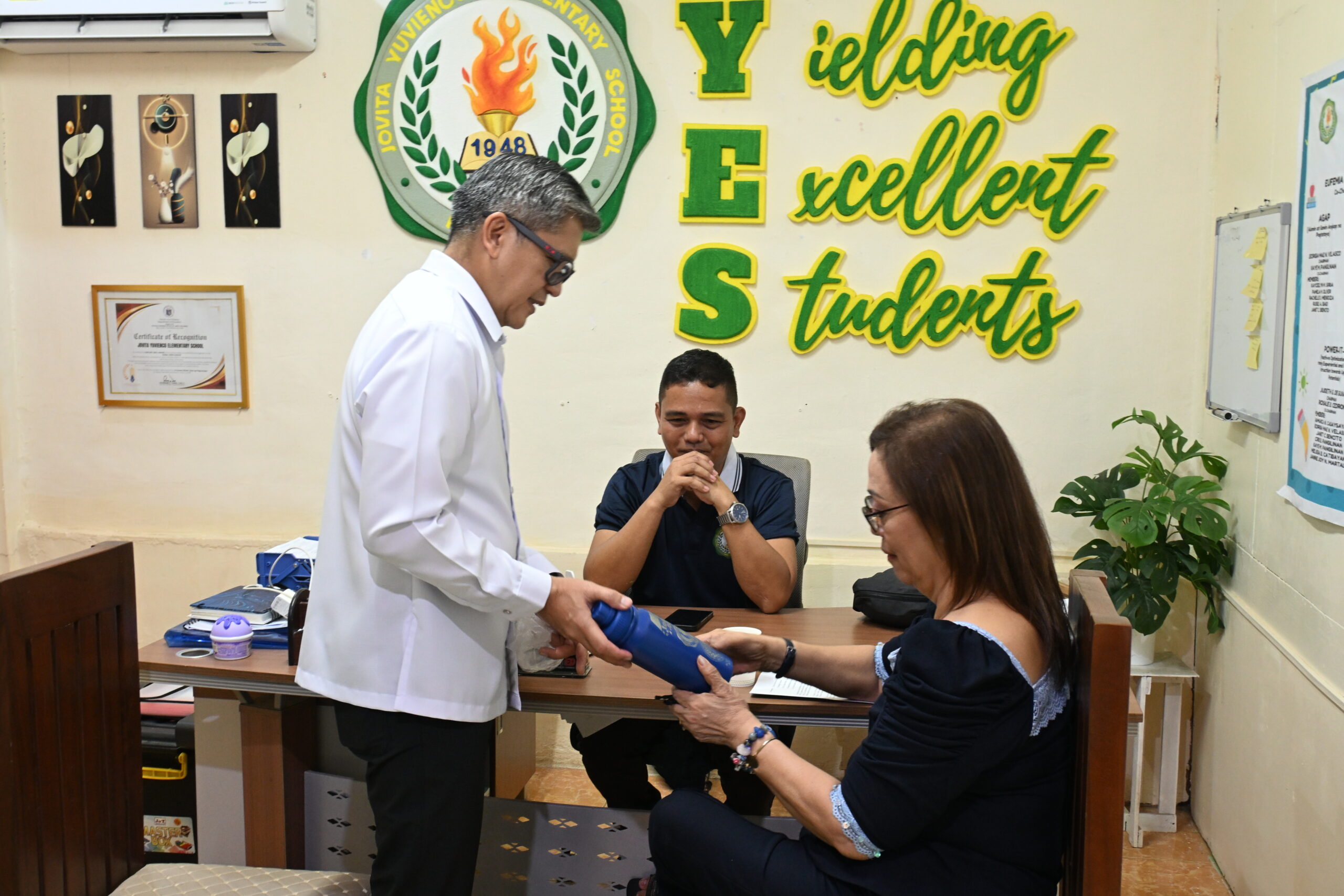
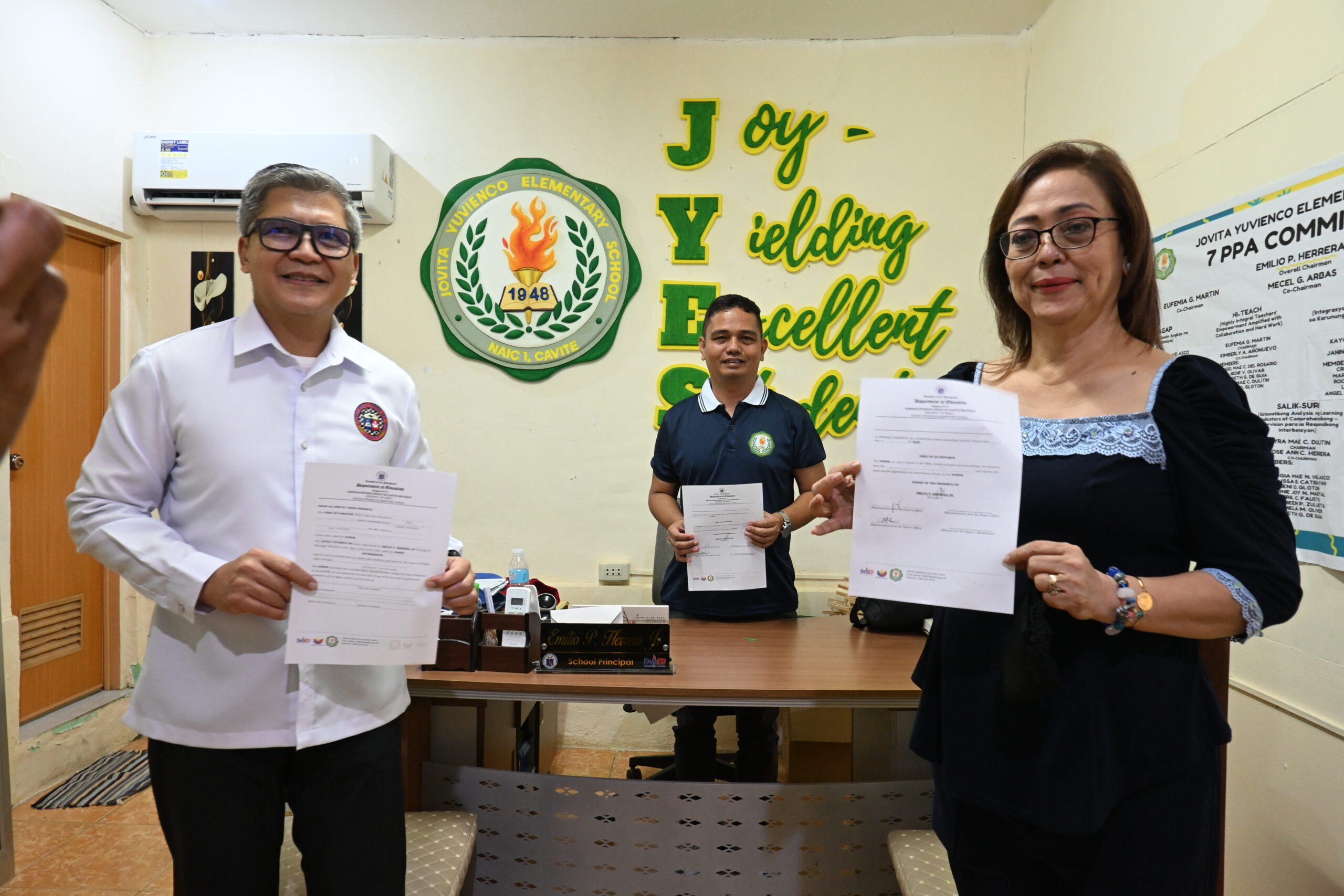
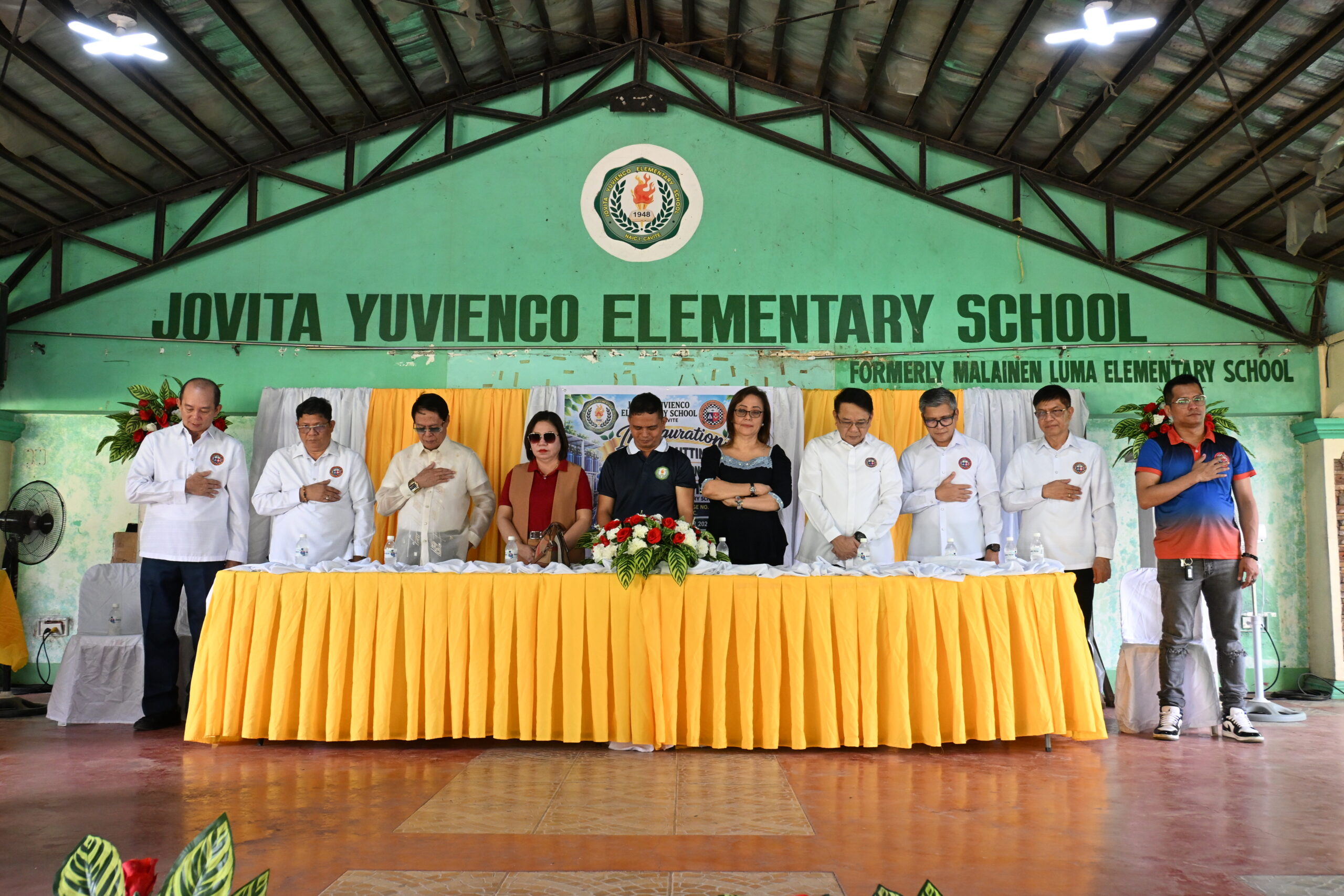
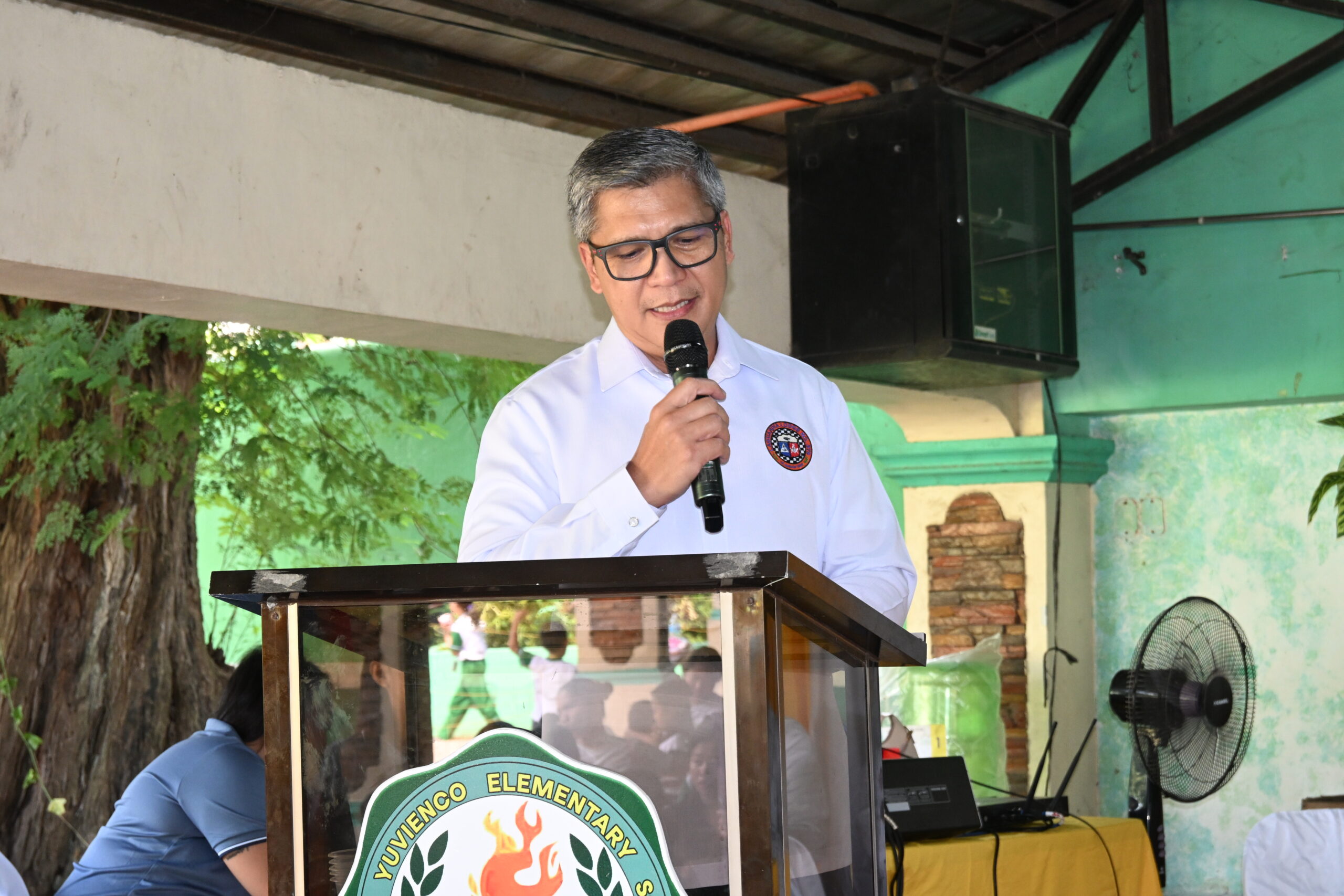
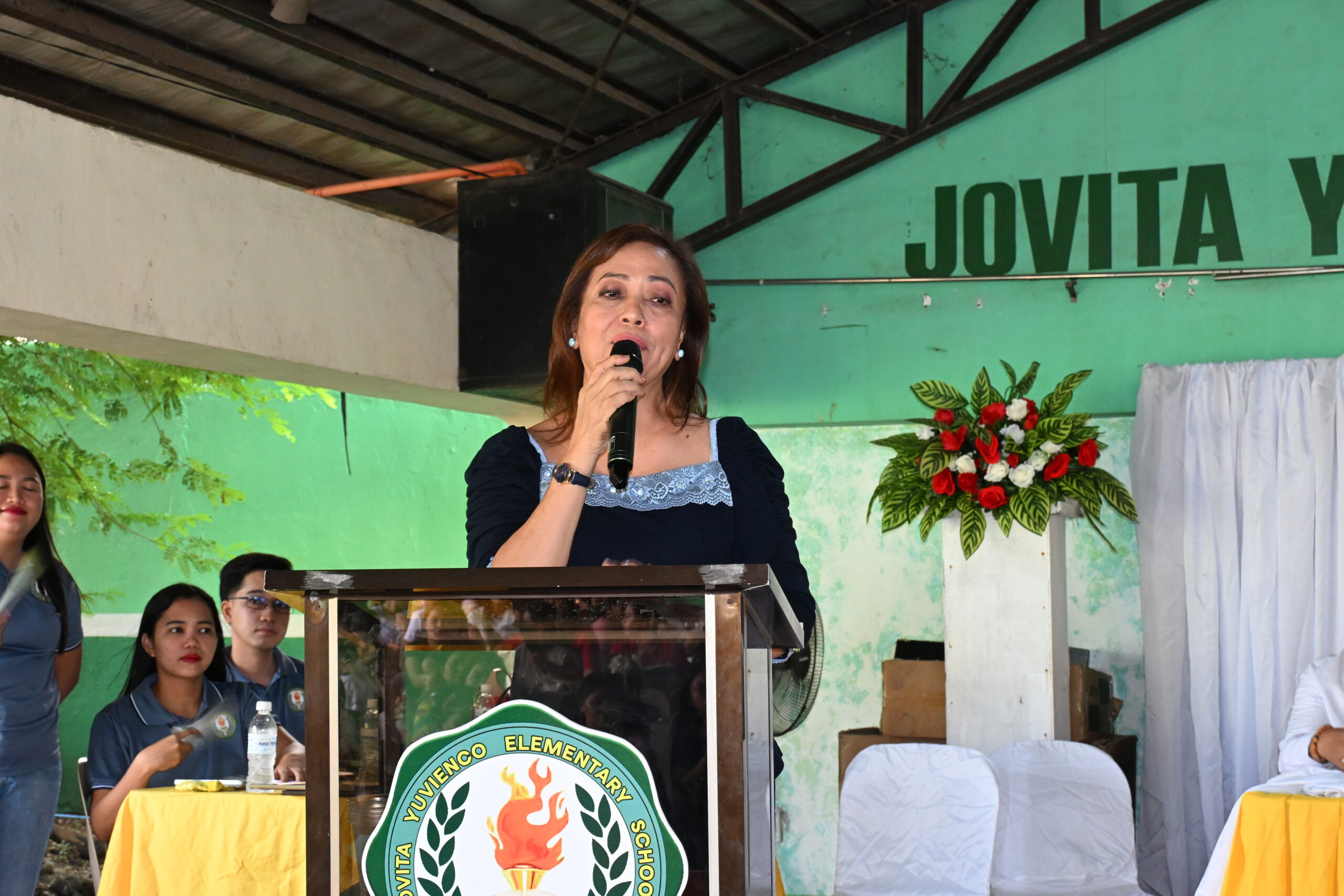
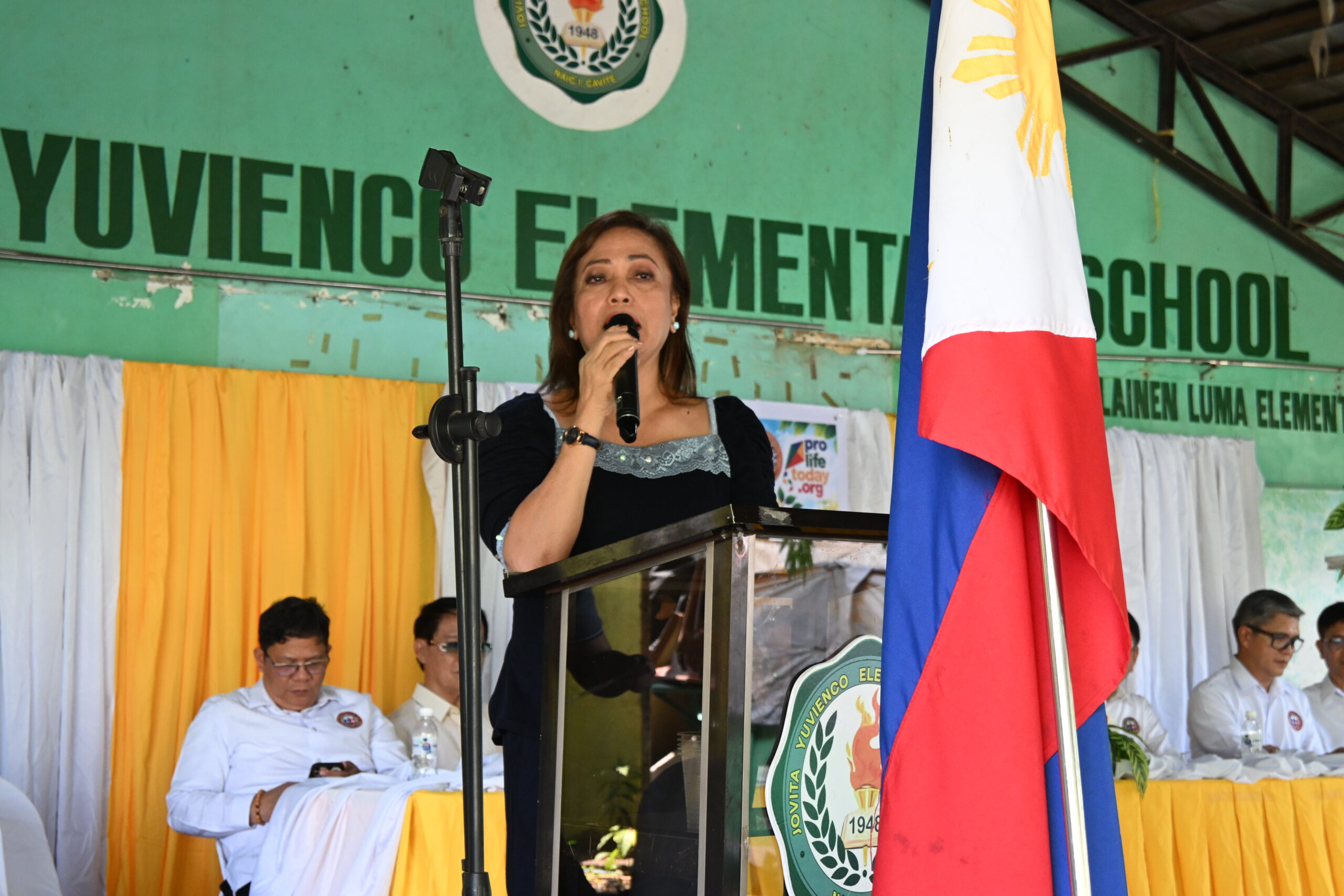
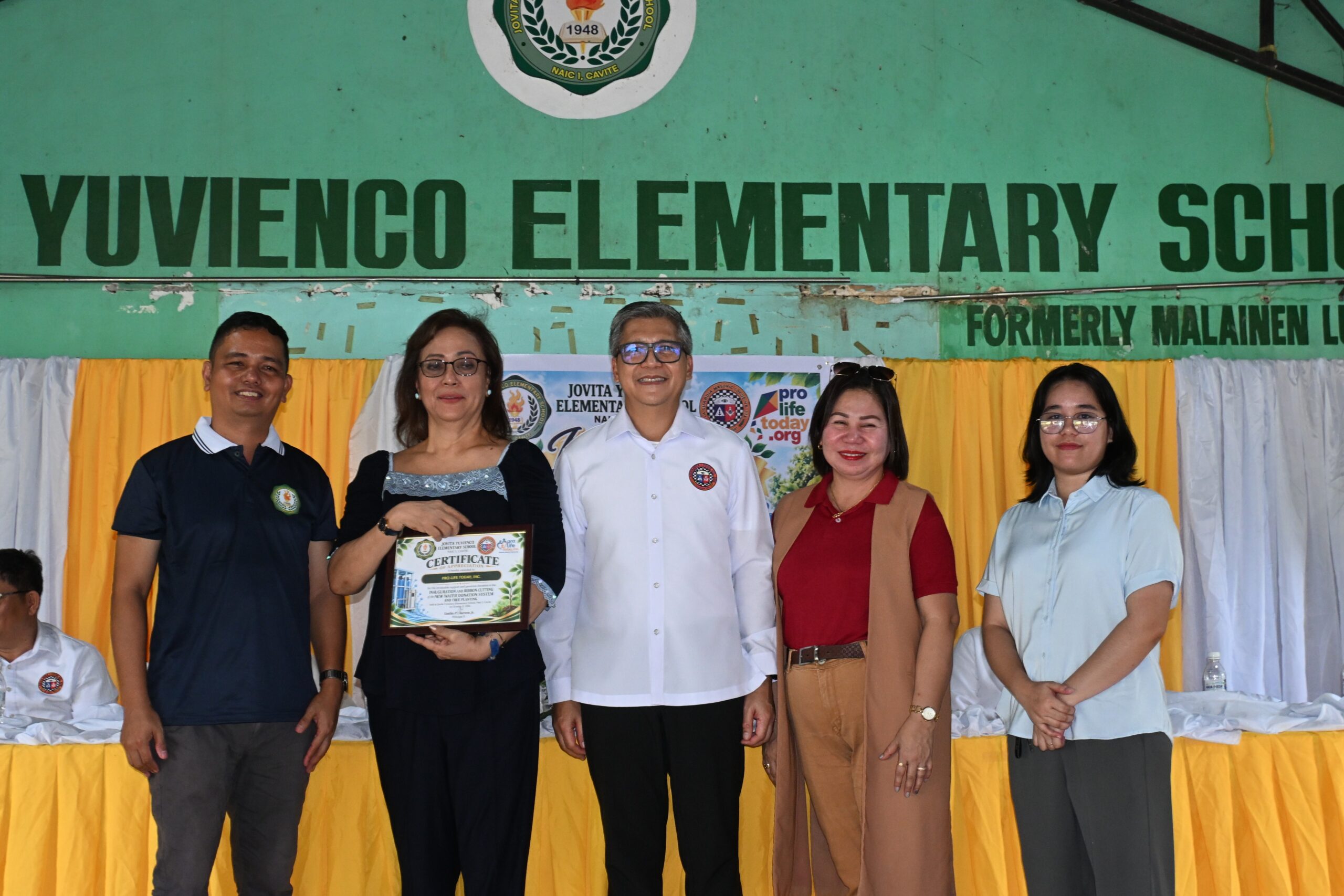
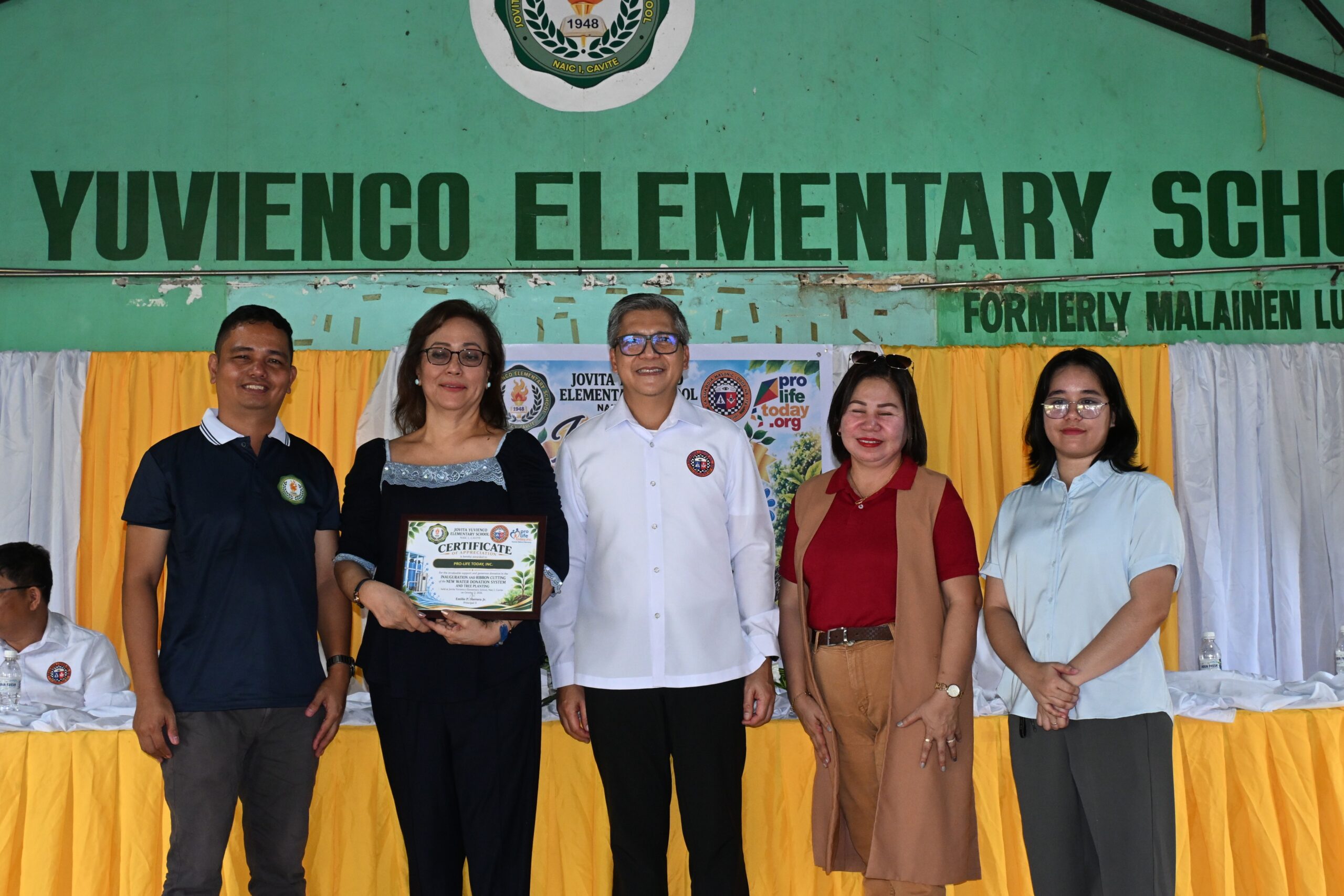
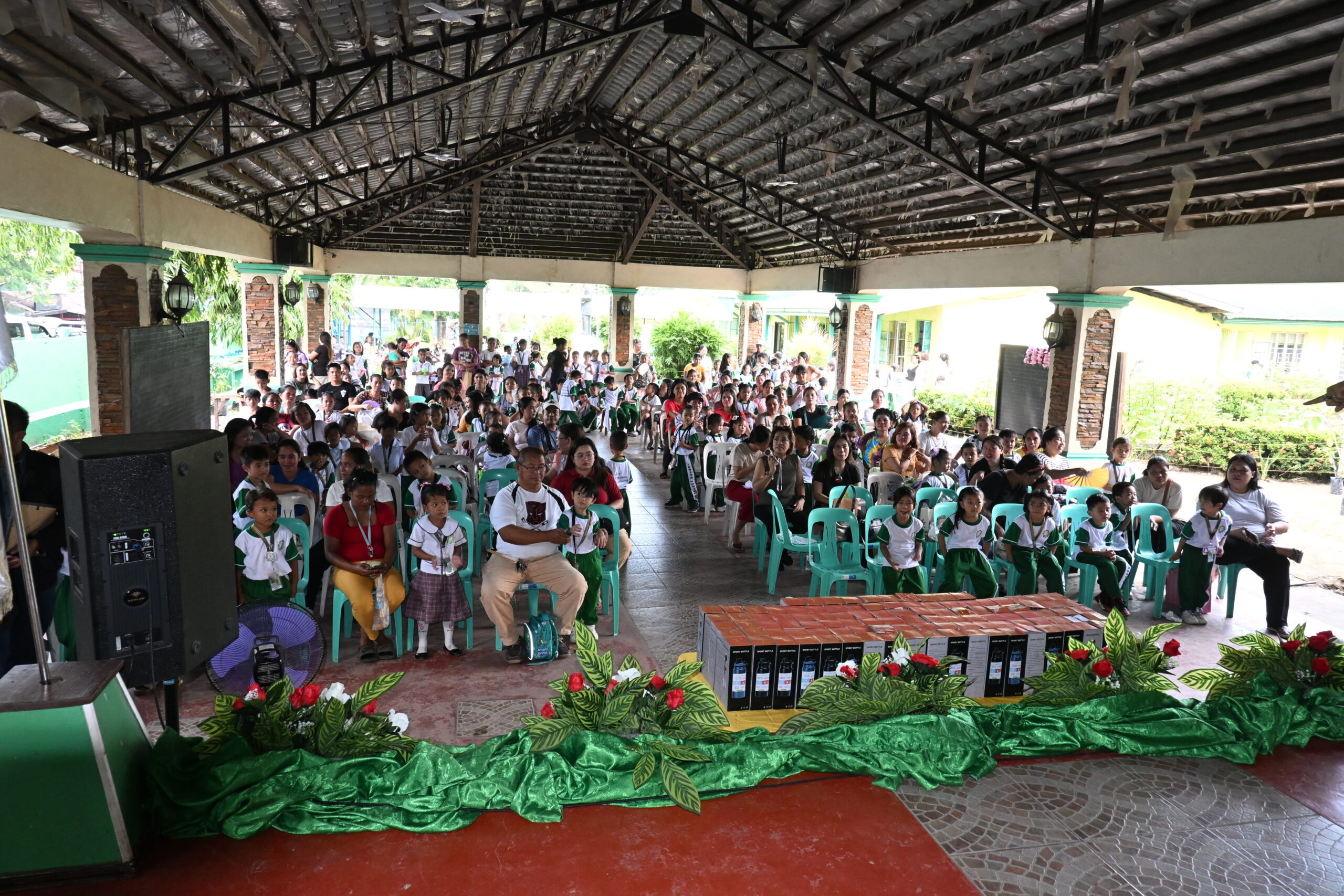
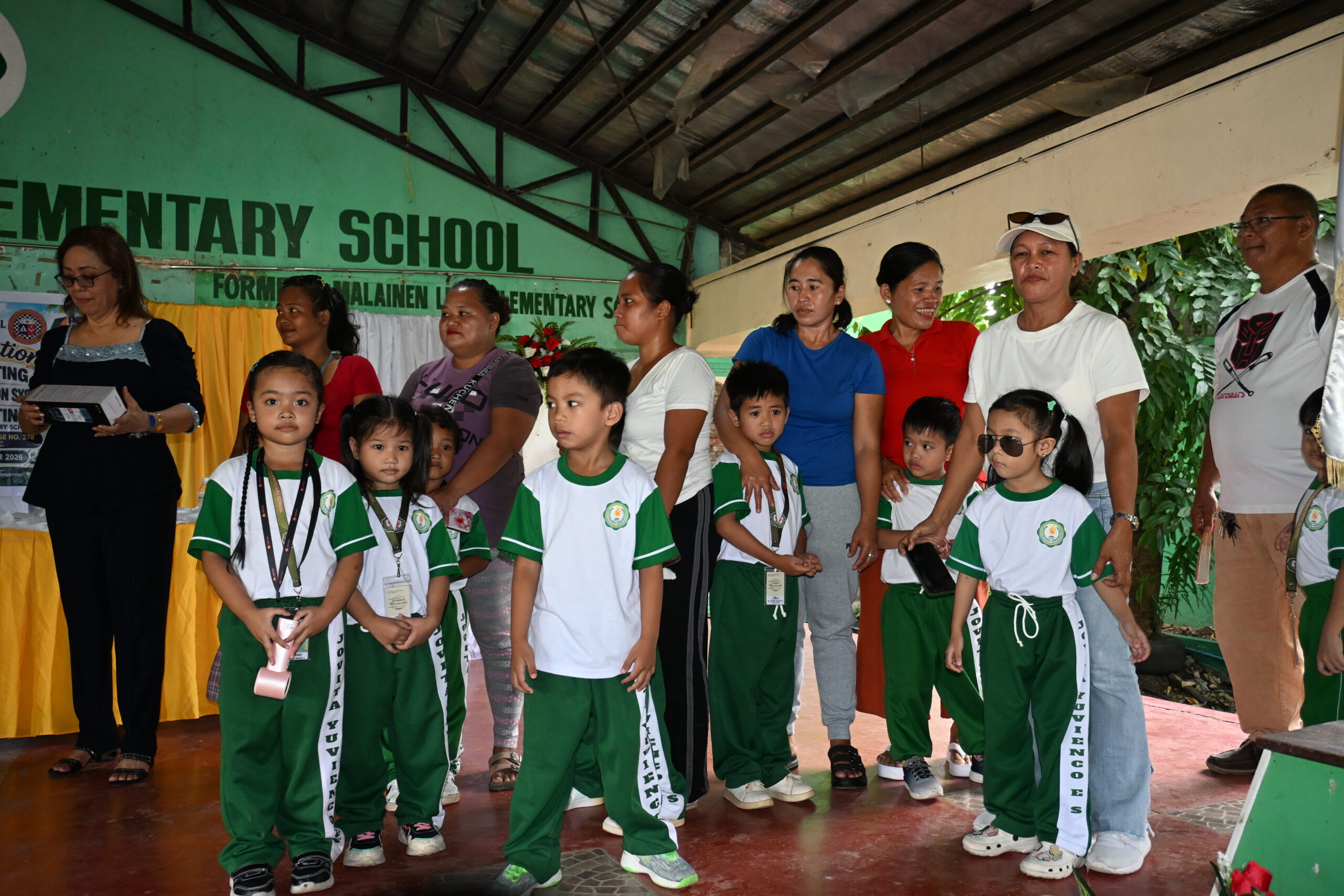
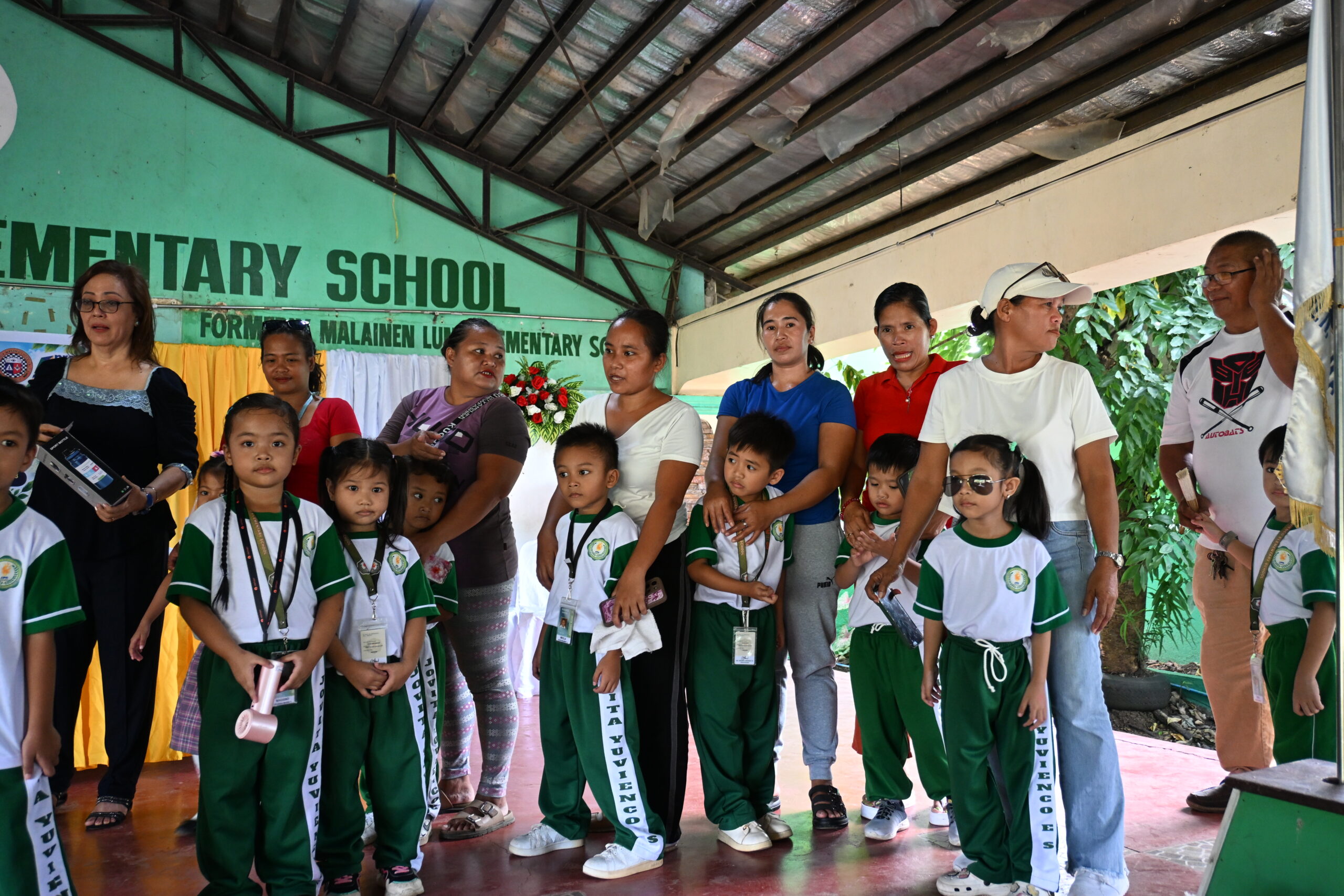
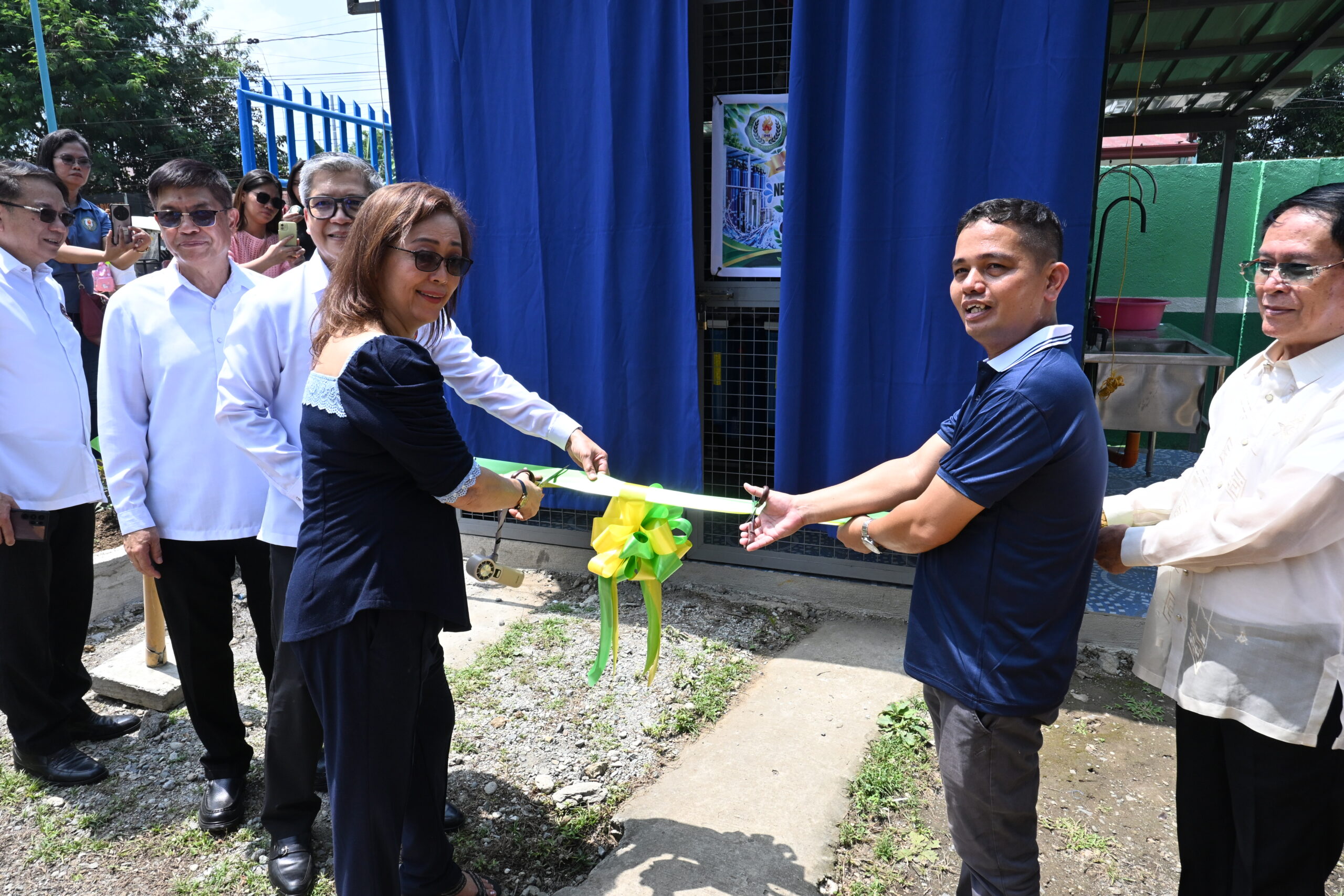
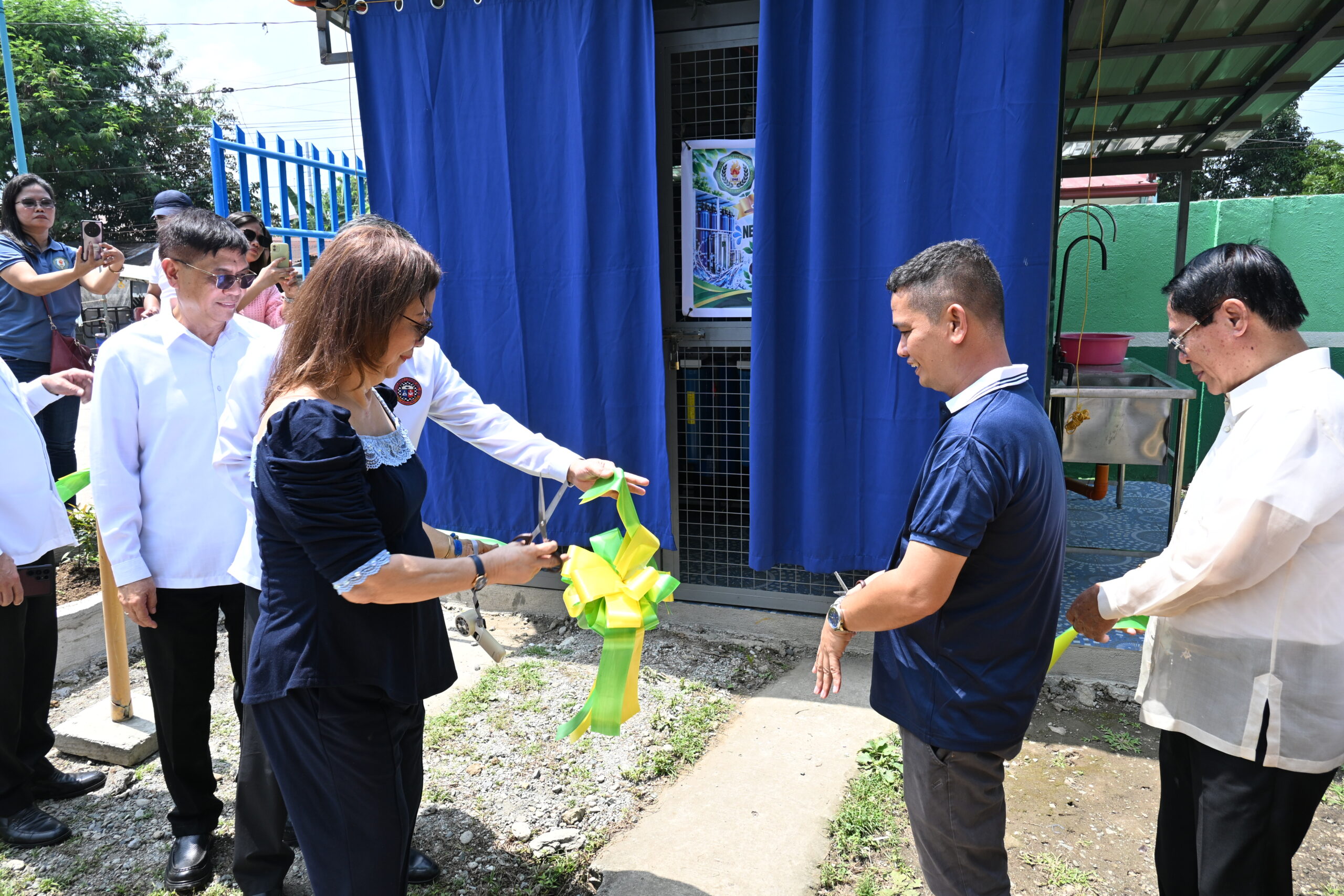
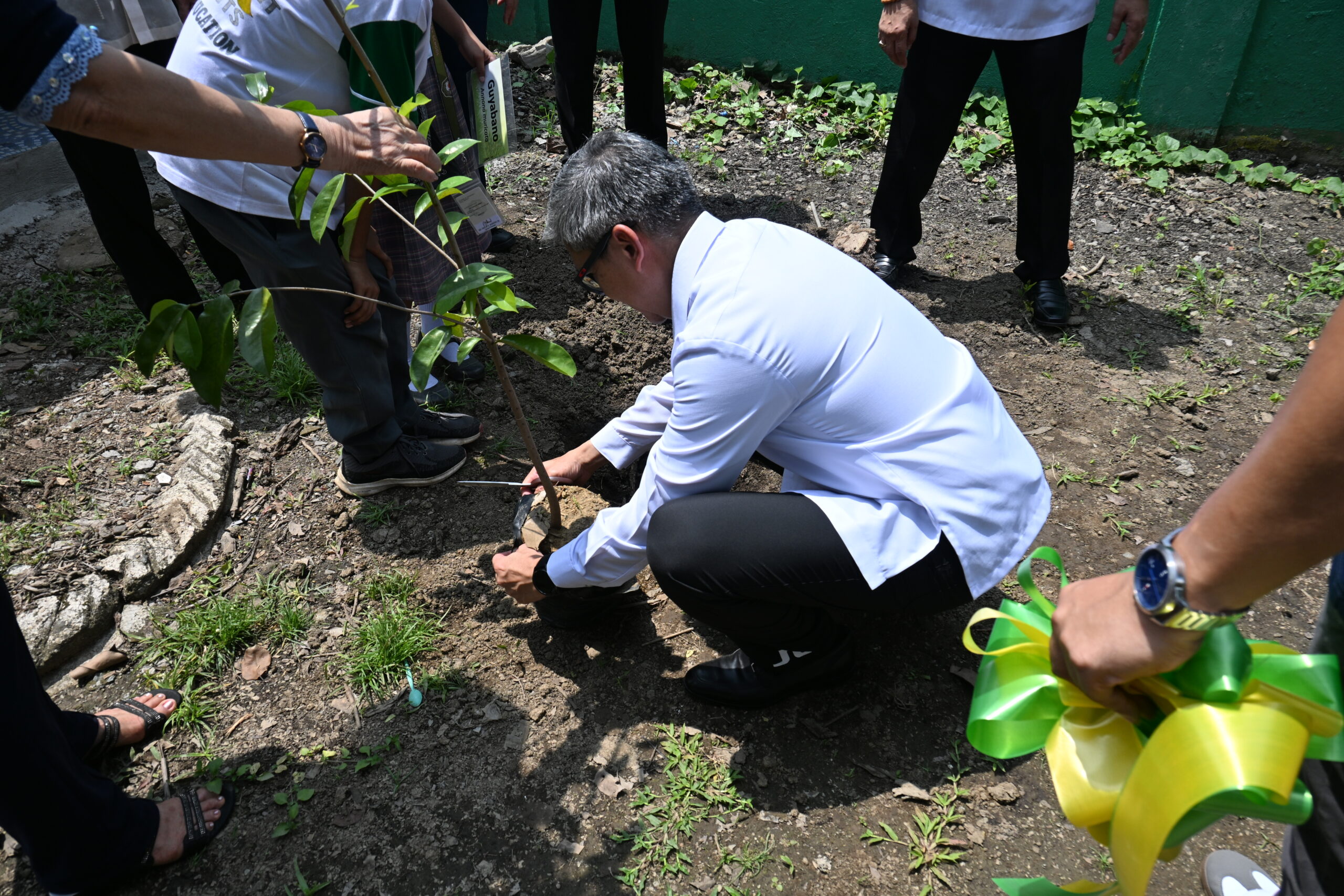
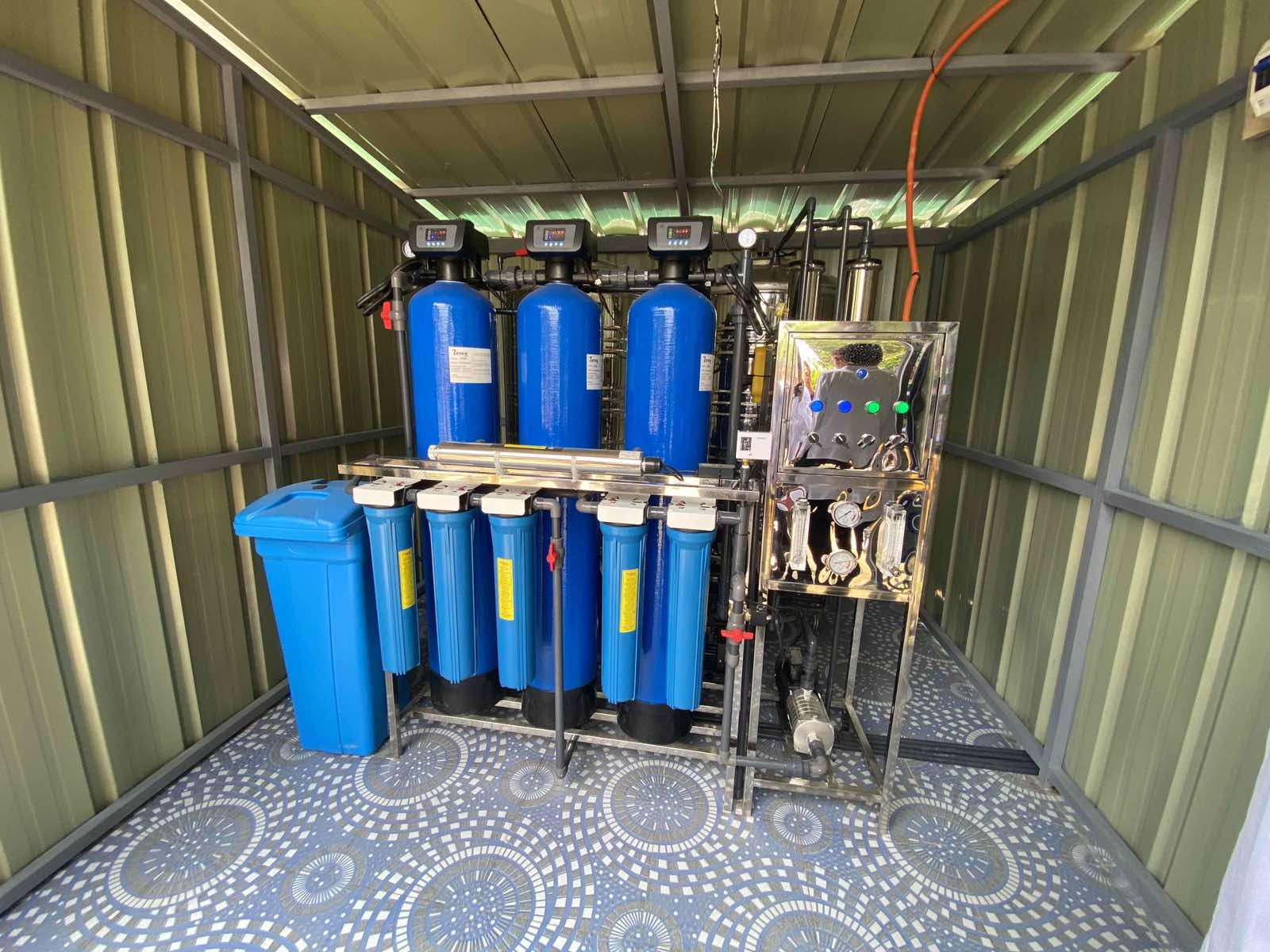
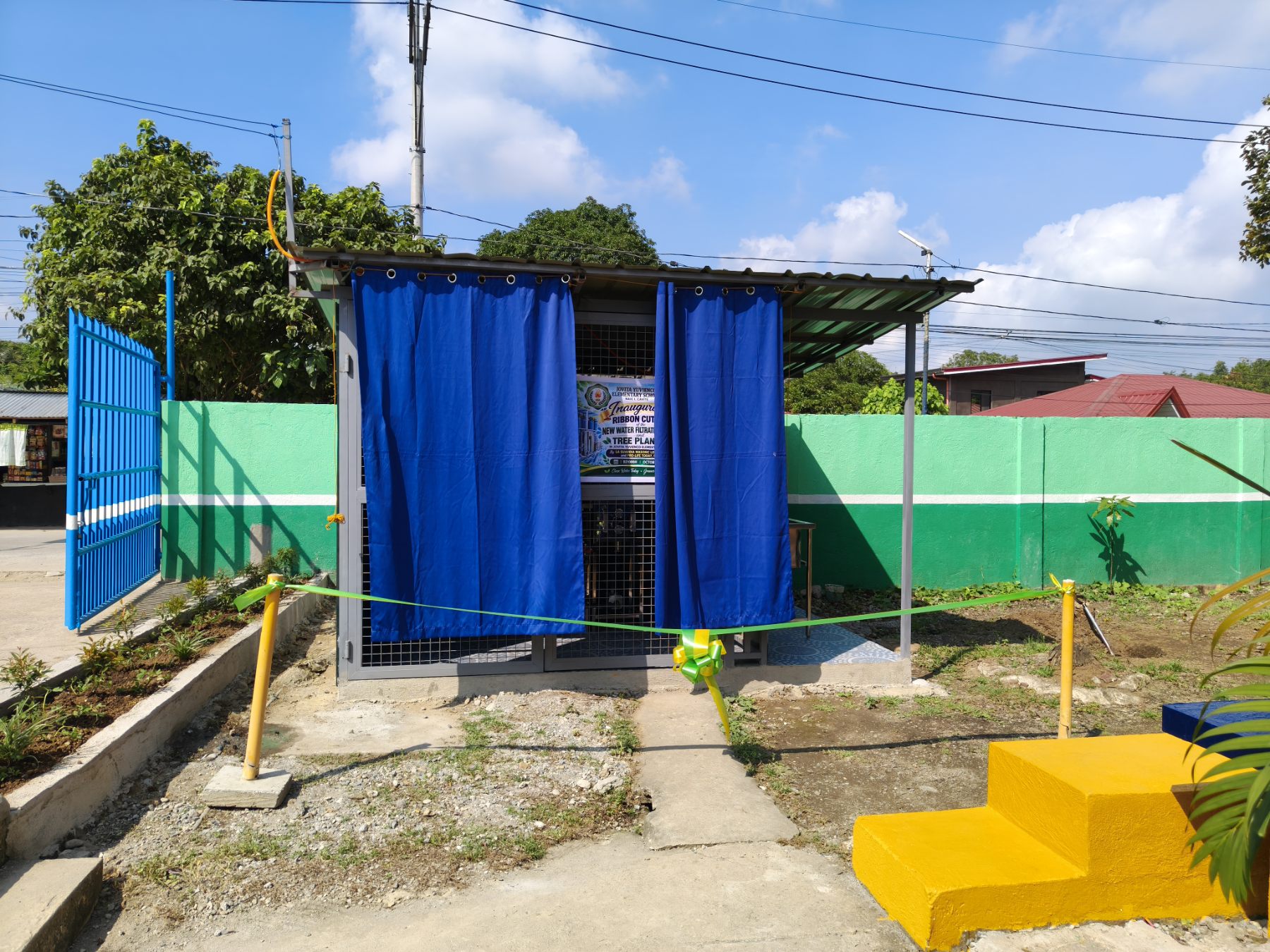
Recognizing this urgent need, ProLife Today Inc. adopted clean drinking water as its first major humanitarian project. Guided by the belief that every child deserves access to safe water, the organization partnered with La Guardia Masonic Lodge No. 378 to install a commercial potable water filtration system at its adopted school, Jovita Juvienco Elementary School in Naic, Cavite. In addition, reusable water tumblers were distributed to selected students to encourage proper hydration and reduce dependence on single-use plastic containers.
This milestone would not have been possible without the generosity and support of numerous sponsors, donors, and partners who believed in the cause. We extend our deepest gratitude to the companies, organizations, and individuals who supported the ProLife Today Fellowship Golf Tournament held on August 27, 2026. Their contributions have already begun transforming lives by providing students with access to safe drinking water and a healthier learning environment.
Yet this is only the beginning.
Across the Philippines, countless public schools continue to face the same challenges of inadequate access to safe drinking water. Many children still spend their school days without a reliable source of potable water, exposing them to preventable illnesses that affect both their health and education. The need remains immense, and the opportunity to make a difference remains equally great.
Call for Support
Clean drinking water is not a luxury. It is a basic human right, a fundamental requirement for health, and an essential foundation for quality education. The human body is composed of approximately 60 to 70 percent water, and every organ and bodily function depends upon it. For children whose bodies and minds are still developing, access to clean and safe drinking water is not merely important—it is indispensable.
When students have access to potable water in school, they are healthier, more attentive in class, less likely to suffer from preventable illnesses, and better able to achieve their full academic potential. Conversely, when safe drinking water is unavailable, the consequences are reflected in increased absenteeism, poor health, reduced learning capacity, and fewer opportunities for children to succeed.
The future of the Philippines depends on the health, education, and well-being of its children. By ensuring that every public elementary school has access to safe and reliable drinking water, we are doing far more than preventing disease. We are helping children stay in school, learn effectively, grow healthier, and pursue brighter futures. We are investing in human potential and strengthening the foundations of nation-building.
It is in this spirit that ProLife Today Inc. respectfully reaches out and knocks on the doors of your generous hearts. We invite corporations, foundations, civic organizations, community groups, and compassionate individuals to partner with us in expanding this life-changing initiative to underprivileged public schools throughout the country.
Whether through your Corporate Social Responsibility (CSR) programs, sponsorships, donations, technical assistance, or personal contributions, your support can help bring clean and safe drinking water to communities that need it most. Together, we can install more potable water filtration systems, reach more schools, protect more children from preventable diseases, and create healthier learning environments for future generations.
Every contribution, regardless of size, creates a ripple effect that extends far beyond a single school. Every water filtration system installed represents hundreds of children given a better chance to learn, grow, and succeed. Every glass of clean water provided is an investment in health, education, dignity, and hope.
We firmly believe that meaningful change happens when people unite behind a common purpose. Government, private institutions, civic organizations, and ordinary citizens all have a role to play in ensuring that no child is deprived of something as fundamental as safe drinking water.
Together, we can transform lives—one school, one community, and one child at a time.
Because at the end of the day, every glass of clean water provided to a child is an investment in education, public health, and nation-building. Clean water for our underprivileged public school students today will help create a stronger, healthier, and better Philippines tomorrow.
References
- Department of Education Order No. 10, s. 2016 – Comprehensive Water, Sanitation and Hygiene in Schools (WinS) Program.
- Department of Education Order No. 65, s. 2009 – Essential Health Care Program for School Children.
- Department of Education Order No. 56, s. 2009 – Construction of Water and Handwashing Facilities in Schools.
- UNICEF Philippines – Situation of Children in the Philippines.
- UNICEF Philippines – Tawi-Tawi Schools Need Better Water, Hygiene and Sanitation Facilities.
- UNICEF Data – WASH in Schools.
- World Health Organization (WHO) – Burden of Disease Attributable to Unsafe Drinking Water, Sanitation and Hygiene.
- UNICEF Philippines – Safe Drinking Water and Sanitation Report.
- S. Geological Survey (USGS) – Water Science School: Water in the Human Body.
- Harvard T.H. Chan School of Public Health – The Importance of Hydration for Health and Cognitive Function.